Have you ever stared into your fridge and wondered if it’s helping you thrive or quietly plotting against your waistline? If so, you’re not alone. The world of healthy eating is packed with myths, trends, and enough conflicting advice to make anyone’s head spin. One day carbs are the villain, the next day they’re the hero. So what’s really going on?
Grab a snack—preferably a healthy one—and let’s spill the tea on healthy eating.
The Healthy Eating Drama Nobody Talks About
Here’s a shocking secret: healthy eating doesn’t require a refrigerator filled with expensive superfoods or a pantry stocked with mysterious powders you’ve never heard of.
Many people assume they need a complete lifestyle makeover overnight. Spoiler alert: that’s exactly why so many diets crash and burn. The truth is that healthy eating is about small, sustainable changes that add up over time.
Think of it as upgrading your habits rather than staging a food revolution.
Why Your Plate Might Be Begging for More Color
If your meals resemble a beige color palette, your plate might be crying out for help.
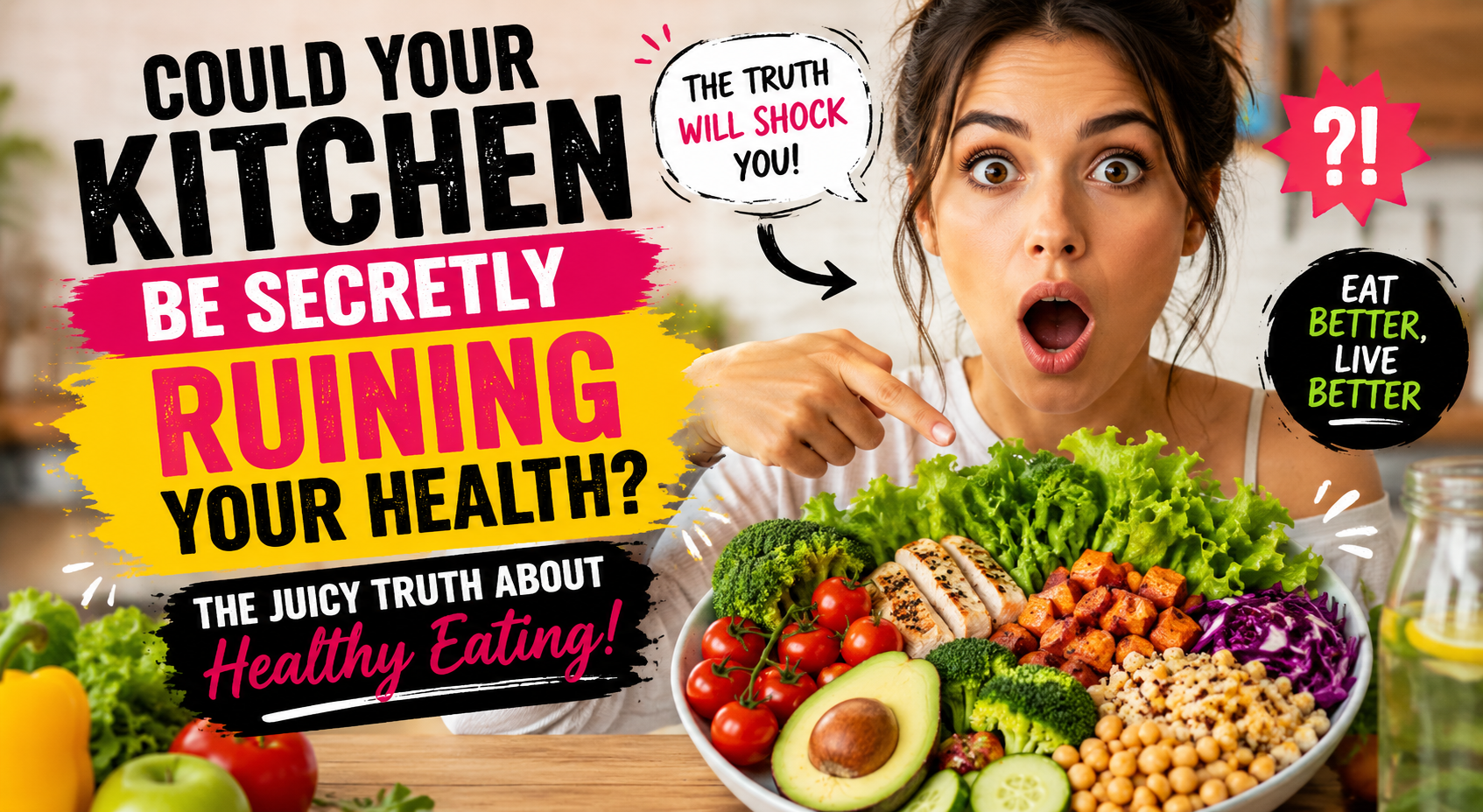
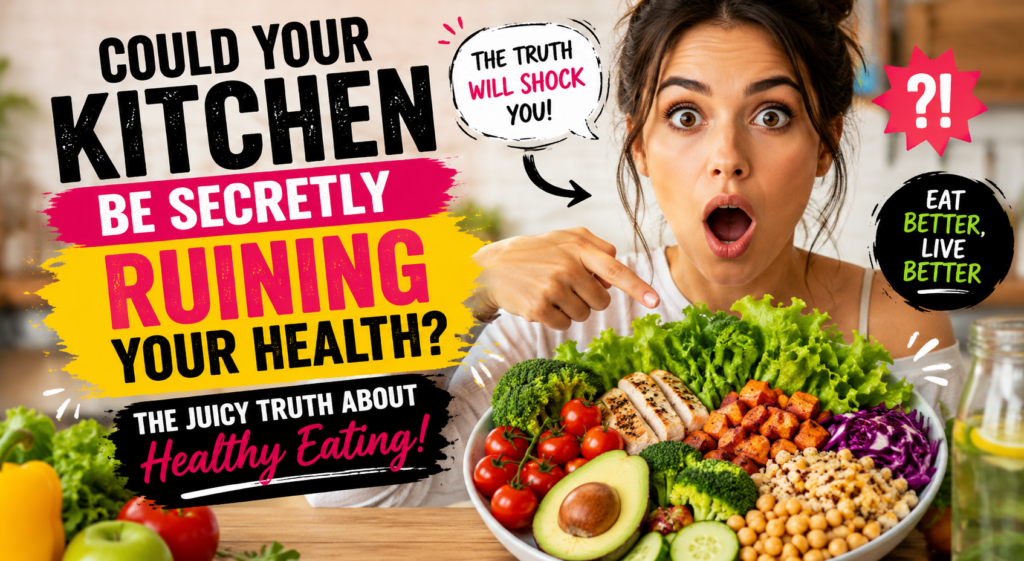
One of the easiest ways to improve healthy eating is to add more colorful fruits and vegetables. Bright reds, vibrant greens, sunny yellows, and deep purples aren’t just pretty—they’re loaded with nutrients your body loves.
The more colors you eat, the more likely you are to get a wide variety of vitamins, minerals, and antioxidants. It’s like building an all-star team for your health.
Protein: The Celebrity Guest Star of Healthy Eating
Let’s talk about protein, the superstar that always seems to steal the spotlight.
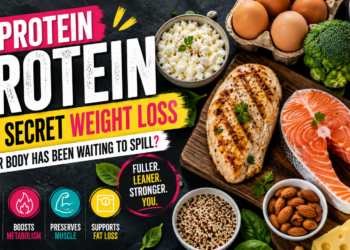
Protein helps support muscles, keeps you feeling full, and plays a major role in countless body functions. Whether it comes from fish, eggs, beans, nuts, poultry, or dairy products, including protein in meals can make healthy eating feel much more satisfying.
Without enough protein, you may find yourself wandering into the kitchen every hour looking for “just one more snack.”
We’ve all been there.
The Whole Grain Gossip That’s Actually True
For years, grains have been caught in the middle of endless food debates.
But whole grains deserve some positive publicity. Foods like oats, brown rice, quinoa, and whole-wheat bread provide fiber and nutrients that support healthy eating.
Fiber helps you feel full longer and supports digestion, making whole grains a valuable part of a balanced eating pattern.
So no, not every carb is secretly working against you.
Healthy Eating Isn’t About Banning Your Favorite Foods
Here’s where things get interesting.
One of the biggest mistakes people make is turning healthy eating into a list of forbidden foods. Suddenly pizza becomes illegal, chocolate is treated like contraband, and birthday cake feels like a criminal offense.
The reality is far less dramatic.
A sustainable approach to healthy eating allows room for occasional treats. The goal isn’t perfection—it’s balance. Enjoying dessert occasionally doesn’t erase all your healthy choices any more than one salad magically transforms your health overnight.
The Sneaky Drinks That Love Causing Trouble
Many people focus on food while forgetting about what’s in their glass.
Sugary drinks can quietly add large amounts of calories without providing much nutrition. Soft drinks, sweetened coffees, energy drinks, and sugary juices can quickly become regular guests in your daily routine.
If you’re working toward healthy eating, choosing water more often can make a surprisingly big difference. Sparkling water, unsweetened tea, and infused water can also keep things interesting.
Your taste buds may protest at first, but they’ll eventually adjust.
Meal Planning: The Secret Weapon of Healthy Eating
Ever notice how healthy intentions disappear the moment you’re hungry and tired?
That’s where meal planning enters the story like a superhero.
Planning meals ahead of time can make healthy eating much easier. Having nutritious options ready reduces the temptation to rely on fast food or ultra-processed convenience meals.
You don’t need a complicated spreadsheet or military-level organization. Even planning a few meals each week can help keep you on track.
Don’t Let Perfect Become the Enemy of Healthy Eating
Social media can make it seem like everyone else is preparing picture-perfect meals with artistic avocado roses and handcrafted smoothie bowls.
Reality check: most people aren’t eating like that every day.
The most successful approach to healthy eating focuses on consistency rather than perfection. Missing a workout, eating a burger, or grabbing a dessert doesn’t mean you’ve failed.
Long-term habits matter far more than occasional indulgences.
Listen to Your Body’s Hot Takes
Your body constantly sends signals, but many people are too distracted to notice them.
Paying attention to hunger and fullness cues can support healthy eating by helping you eat when you’re genuinely hungry and stop when you’re comfortably satisfied.
Mindful eating may sound trendy, but it’s actually a practical skill that can improve your relationship with food.
Sometimes your body knows more than the latest viral nutrition trend.
The Final Verdict on Healthy Eating
So, what’s the real secret behind healthy eating?
It’s not a miracle supplement. It’s not an extreme diet. And it’s definitely not surviving on kale alone.
Healthy eating is about choosing more nutritious foods most of the time, enjoying a variety of ingredients, staying hydrated, and building habits you can maintain for years—not just weeks.
Forget the food drama and nutrition gossip. The healthiest approach is often the simplest one: eat more whole foods, enjoy balance, and give yourself permission to be human.
Your future self will thank you—and your fridge can finally stop acting suspicious.