Why Do We Procrastinate Like It’s an Olympic Sport — And How Can We Finally Stop?
There was a time when I treated procrastination like a full-time career. Deadlines? Ignored. Important emails? “I’ll answer them later.” Laundry? Let’s just say I once considered buying new clothes instead of washing the old ones.
If procrastination were a talent, I would’ve been famous.
But after years of turning “I’ll do it tomorrow” into a personality trait, I finally realized something shocking: procrastination isn’t laziness. It’s usually stress wearing sweatpants and pretending everything is fine.
So if your to-do list currently looks like a horror movie script, welcome. This self-help guide is for you.
The Dirty Little Secret About Procrastination
Most people think procrastination happens because we’re lazy. Cute theory. Completely wrong.
Procrastination usually happens because a task feels:
- Too overwhelming
- Too boring
- Too confusing
- Too important
- Or weirdly terrifying for no logical reason
Your brain basically sees the task and says:
“Absolutely not. Let’s scroll social media for three hours instead.”
And suddenly you’re deep into celebrity breakup gossip while your unfinished assignment quietly judges you from another tab.
Classic procrastination behavior.
My Personal Rock Bottom Moment
My worst procrastination episode happened when I delayed a project for so long that I convinced myself I “worked better under pressure.”
Spoiler alert: I did not.
At 2 a.m., fueled entirely by caffeine and panic, I was typing nonsense while questioning every life decision I had ever made. The next morning, I submitted the project looking like a raccoon who had seen combat.
That was the moment I realized procrastination wasn’t “cute and quirky” anymore. It was exhausting.
So I started experimenting with ways to beat procrastination without turning into one of those hyper-productive people who wake up at 4 a.m. to meditate beside a green smoothie.
Respectfully, that lifestyle is not for me.
The “Five-Minute Trick” That Changed Everything
Here’s the sneaky little self-help trick that helped me most:
Tell yourself you only need to do the task for five minutes.
That’s it.
Procrastination loves giant, dramatic tasks. But five minutes? Your brain can tolerate five minutes.
Need to clean your room? Five minutes.
Need to write an essay? Five minutes.
Need to answer emails you’ve been avoiding since the invention of electricity? Five minutes.
Most of the time, once you start, momentum takes over.
And if you stop after five minutes? Honestly, that’s still better than doing absolutely nothing while watching conspiracy videos about celebrity feuds.
Stop Waiting to “Feel Motivated”
This one hurt my feelings personally.
I used to think productive people were magically motivated all the time. Turns out, many of them simply start before they feel ready.
Meanwhile, procrastination tricks us into waiting for the “perfect mood.”
Bad news: the perfect mood rarely arrives.
You don’t suddenly wake up excited to organize taxes or reply to awkward emails. You just begin badly and improve as you go.
Messy action beats perfect procrastination every single time.
Your Phone Is Probably the Villain
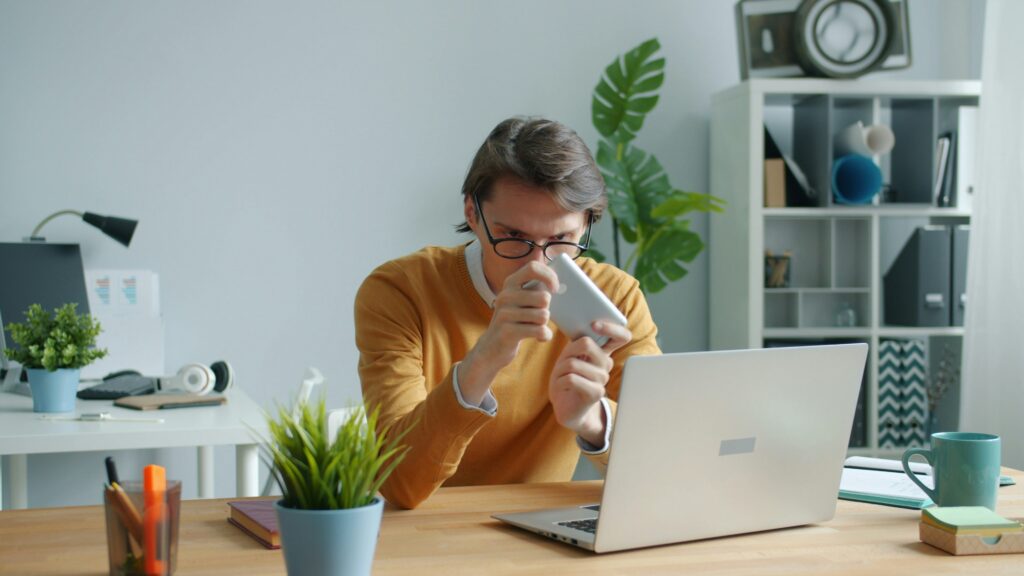
Let’s be honest. Modern procrastination has a mascot, and it’s our phones.
You pick up your phone for “one quick check,” and suddenly:
- You know what your ex is doing
- You’ve watched a dog learn karate
- You somehow ended up reading celebrity drama from 2017
Meanwhile, your actual responsibilities are aging like abandoned leftovers.
One of the biggest self-help lessons I learned was this:
Make procrastination harder.
Put your phone in another room.
Use website blockers.
Hide distracting apps.
Basically treat your distractions like toxic exes.
Distance helps.
Tiny Wins Matter More Than Dramatic Transformations
One mistake procrastinators make is trying to become a completely new person overnight.
Suddenly we create impossible schedules like:
- Wake up at 5 a.m.
- Exercise for two hours
- Read 50 pages
- Meal prep
- Become emotionally stable
And by Tuesday we’re lying in bed eating snacks while avoiding reality.
Real self-help is smaller than that.
Tiny habits work better:
- Write one paragraph
- Wash one plate
- Study for ten minutes
- Reply to one email
Small victories slowly retrain your brain to stop fearing tasks.
And honestly? Tiny progress is still progress.
Beating Procrastination Without Becoming Miserable
Some productivity advice sounds like punishment. If a self-help routine makes you deeply unhappy, you probably won’t stick with it.
The goal isn’t to become a robot. The goal is to make life less stressful.
So reward yourself:
- Finish a task → watch your favorite show
- Clean the kitchen → buy yourself coffee
- Submit the assignment → dramatically celebrate like you won an Oscar
Your brain responds surprisingly well to tiny rewards.
And yes, dramatic victory dances absolutely count.
Final Thoughts From a Former Procrastination Champion
If you struggle with procrastination, you are definitely not alone. Millions of people are currently avoiding responsibilities while pretending they’ll “start in five minutes.”
The good news? Procrastination can improve.
Not through guilt.
Not through self-hatred.
Not through becoming a productivity machine.
But through smaller steps, kinder habits, and learning how to start before you feel ready.
And if all else fails, at least remember this:
panic-cleaning your entire life five minutes before a deadline is technically cardio.
FAQs
Why do people procrastinate?
Procrastination usually comes from stress, fear, overwhelm, or boredom rather than pure laziness.
Is procrastination a mental health issue?
Sometimes. Anxiety, ADHD, stress, or perfectionism can contribute to procrastination habits.
What is the fastest way to stop procrastinating?
Start with a tiny action, even just five minutes, to create momentum.
Does motivation help with procrastination?
A little, but action is usually more reliable than waiting to feel motivated.
Can procrastination become a habit?
Yes. The more often you delay tasks, the easier your brain learns to repeat the pattern.
Are phone distractions making procrastination worse?
Absolutely. Social media and constant notifications make it much easier to avoid important tasks.
How can students stop procrastinating?
Breaking assignments into smaller tasks and studying in short sessions usually helps a lot.
Is procrastination the same as laziness?
No. Laziness is avoiding effort entirely, while procrastination often involves stress and avoidance despite wanting to succeed.